
Consignment means a dealer holds your caravan and sells it for you, taking a cut when it goes. In the British trade the same arrangement is usually called sale or return.
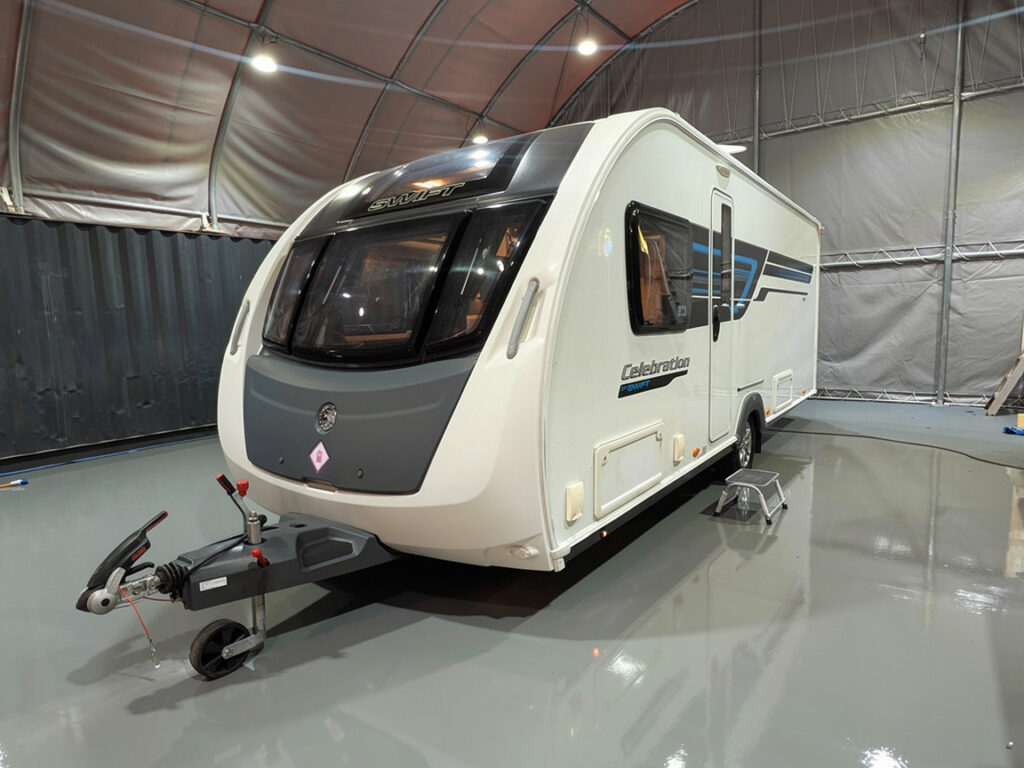
Caravan consignment means handing your caravan to a dealer to sell on your behalf, while you keep ownership of it until it sells. The dealer is paid out of the sale, and you get the rest. Nothing changes hands the day you drop it off.
If that sounds like sale or return, it is. They are the same arrangement wearing different words. Consignment is the term used across Australia and North America, and it turns up in British legal drafting; UK caravan dealers almost always say sale or return or brokerage instead. Plenty of owners search for one and are shown the other, which helps nobody.
One warning before you read any further. Much of what is written online about consigning a caravan is Australian, and the rules there are not the rules here. A figure like "10% plus GST" comes from Queensland dealer law. It has no bearing on what a dealer in Greater Manchester will quote you.
Six terms get used loosely, and two of them mean something completely different for your money. This is what each one actually commits you to.
| What it is called | Who owns the caravan | When you are paid | What the dealer earns |
|---|---|---|---|
| Consignment | You do, until it sells | After the sale completes | An agreed commission or margin |
| Sale or return | You do, until it sells | After the sale completes | An agreed commission or margin |
| Brokerage | You do, until it sells | After the sale completes | An agreed commission or margin |
| Commission sale | You do, until it sells | After the sale completes | A percentage of the sale price |
| Outright purchase | The dealer, from collection | On collection | Whatever it later resells for |
| Part exchange | The dealer, on handover | Offset against your next caravan | Whatever it later resells for |
The first four rows are one thing under four names. The last two are a sale. If a dealer uses the words interchangeably in the same conversation, stop and ask which of these two columns you are actually in.
This is the part that catches owners out, and almost nobody spells it out.
You and the dealer agree the asking price. It sells for whatever it sells for, the commission comes off, and the balance is yours. If it makes more than expected, you see most of that upside.
The dealer guarantees you a fixed sum on completion and keeps everything above it. Often advertised as "no fees". Your number is certain, but any strong offer above it belongs to the dealer, not to you.
Neither is a trick, and both are used by respectable dealerships. They simply suit different people. The mistake is comparing a commission quote against a net-figure quote as though they were the same offer. Ask which one is on the table, then ask what the caravan would be advertised at. Two sentences, and the comparison becomes real.
Whichever dealer you talk to, ask this:
The gap between those two numbers is the cost of the service. Everything else is presentation.
Consignment caravan dealers do not accept everything, and it is better to know why now than after a wasted tow across the Pennines.
A meter goes round the window surrounds, lockers and floor edges. Active ingress, delamination or a soft floor means a retail buyer will walk, so the caravan sits. Those are usually better sold outright.
Older caravans still sell, but they sell slower and to fewer people. Commission on a modest figure has to be worth the months of forecourt space it takes up, for you as much as for us.
Gas, electrics and tyres get looked at before anything goes on show. Tyres carry a date stamp on the sidewall, and buyers who know caravans check it before they check the upholstery.
An unsettled agreement does not block a consignment sale, but it has to be declared at the start. Settlement is then made directly from the proceeds, which keeps everyone straight.
The CRIS document and the 17-digit chassis number are checked against each other. A missing CRIS document can be replaced, but start that before the caravan arrives, not after a buyer is waiting.
Clear it out, take the awning home and let it air. A caravan that smells of last season photographs badly and prices badly. First impressions are made in the first four seconds on a forecourt.
If the caravan is sitting in a storage yard, we can usually arrange to collect it from there. Tell us the site and whoever needs to authorise access, and that gets handled at our end.
Caravan consignment sales are not only for the single caravan on a driveway. Some of what comes to us arrives in twos and threes rather than one at a time.
Motorhomes and campervan conversions work the same way — there are usually several on the forecourt alongside the tourers. Ring 0161 464 0109 and tell us what you have and how many.
Tourers, campervans and everything between. Yours would be displayed and priced the same way.
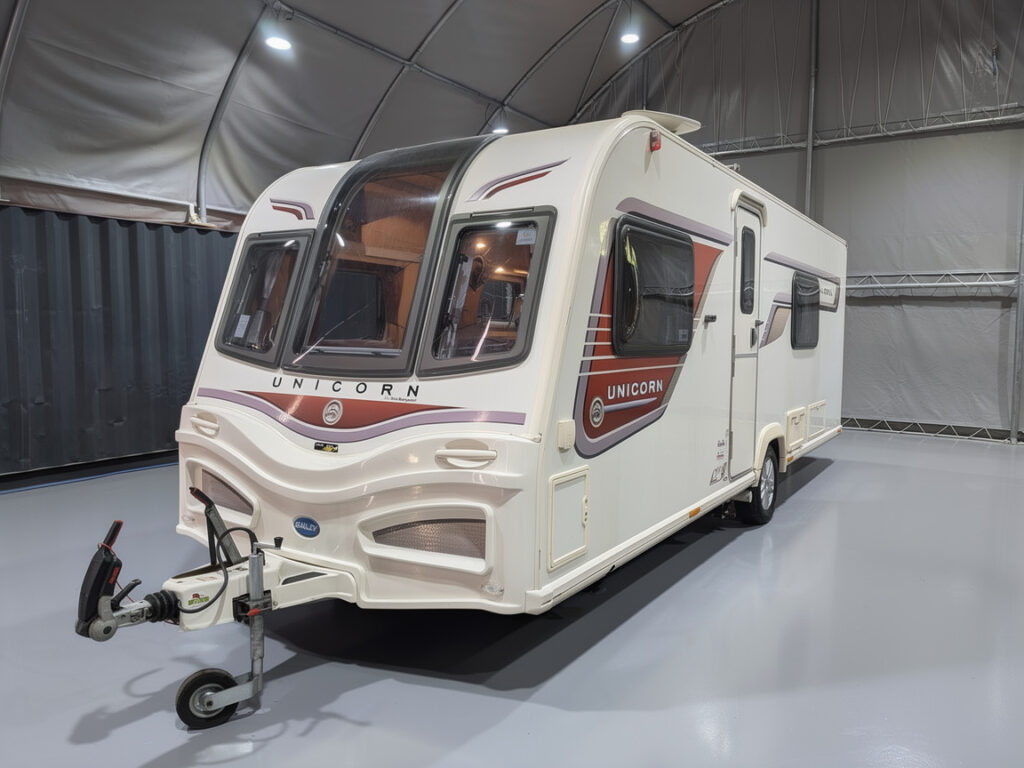
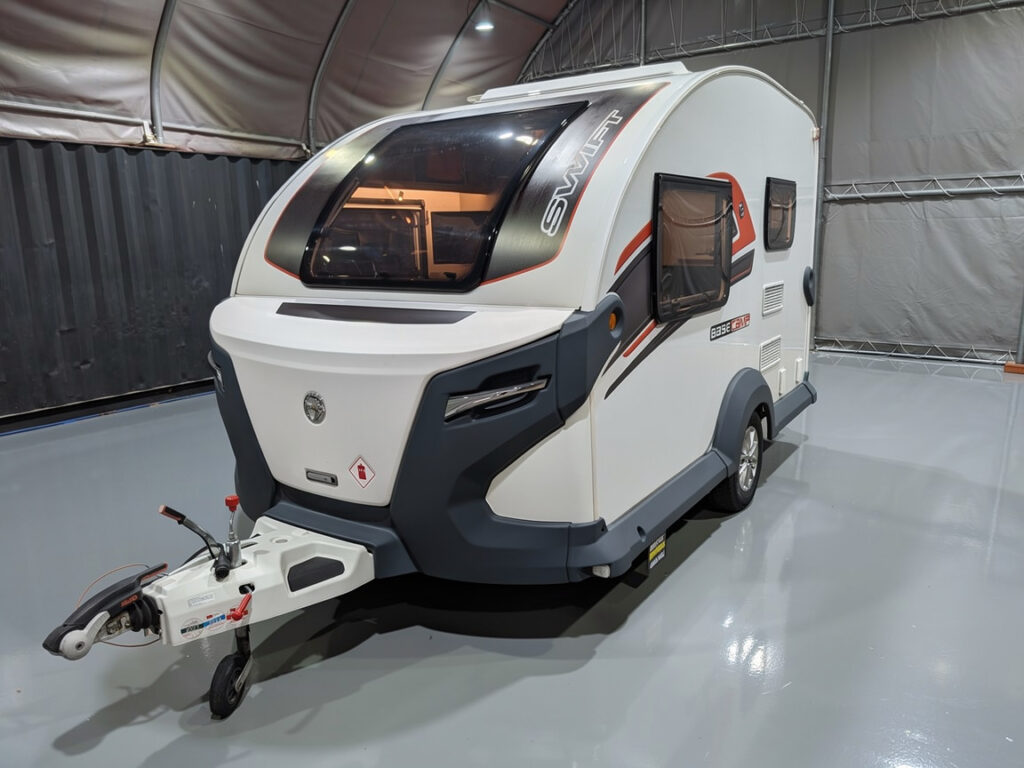
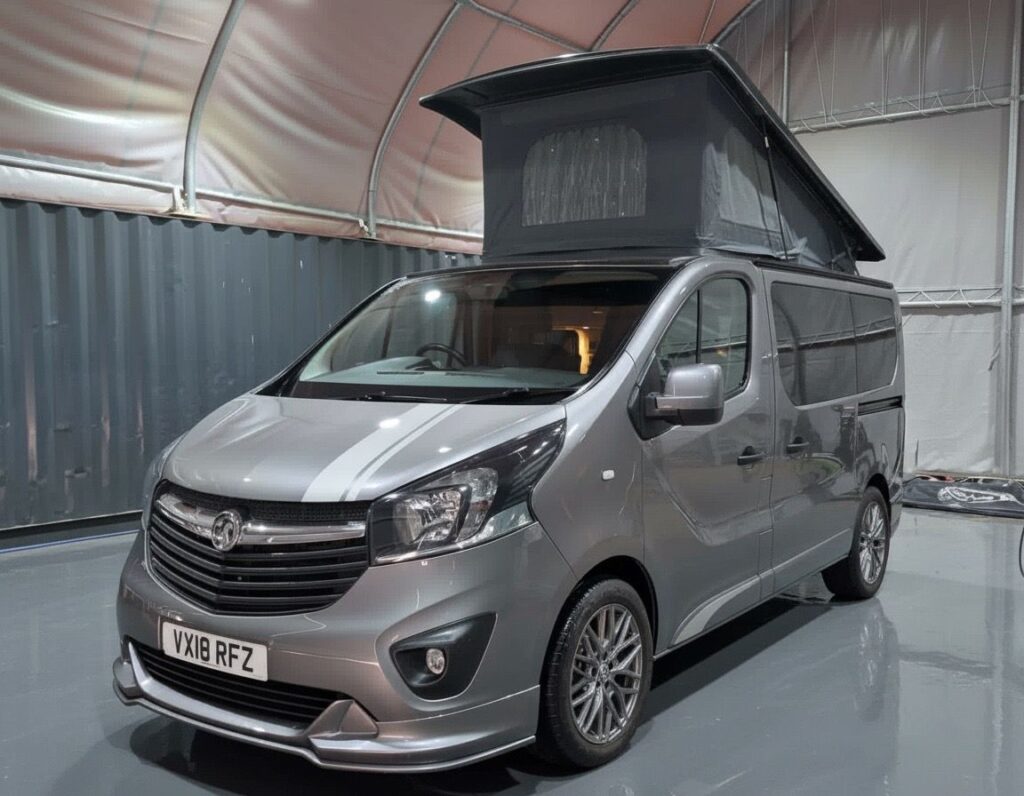
See the full range of used caravans and motorhomes in stock.
Yes. Consignment, sale or return, brokerage and commission sale all describe one arrangement: the dealer holds and sells your caravan, you keep ownership until it sells, and the dealer is paid out of the proceeds. Consignment is the usual word in Australia and North America. In Britain you will nearly always see it called sale or return.
It sets out the asking price, how long the arrangement runs, what the dealer is owed and how that is calculated, who is responsible for what while the caravan is on site, and how you are paid on completion. Read the clause about ending it early before you sign. That is the one owners wish they had read.
Normally nothing is paid upfront, because the dealer is paid from the sale itself. What differs is whether preparation, valeting, photography or a service are covered inside that or billed to you separately. Ask for the list in writing. A dealer who will not put it on paper is telling you something.
Yes, and it is more common than people assume. Hire fleets reducing, storage yards clearing units, estates and small traders with surplus stock all sell this way. Terms for several caravans are usually agreed as one arrangement rather than repeated van by van. Call us with the numbers.
Yes. Plenty of the caravans we sell have spent their winters in a storage yard rather than on a drive. Tell us the site, and who there can authorise the caravan leaving, and collection is arranged from our end. You do not need to tow it here yourself.
Good enough to sit on a forecourt next to prepared retail stock. Damp is the deciding factor: a caravan with active ingress, delamination or a soft floor will not sell at retail and is better sold outright. Gas, electrics, tyres and paperwork are checked before anything goes on display.
The agreement either ends or it is extended, usually with a fresh look at the asking price. Caravans that have not sold are almost always priced above the market rather than unwanted. If you would rather stop there, the caravan is still yours and it goes home with you.
A forecourt just off the M60, open seven days, with an engineer on site. Bring us one caravan or bring us five.
Enquire about consignment Call 0161 464 0109