
Caravan CRiS
How do you CRiS check a caravan?
A caravan CRiS check costs £17.95, runs online at cris.co.uk or by phone, and tells you whether a used touring caravan has been reported as stolen, has outstanding finance, or has been written off by an insurer. It also confirms whether a registered keeper is on record. That is the short answer to how do you CRiS check a caravan: find the caravan’s identification number, put it into the CRiS service, then compare the result with the van and the paperwork in front of you.
Buyers often call it an HPI check for caravans, and the name has stuck because HPI ran the register for many years. If you want the background on the number and the registration scheme itself, our guide to the CRiS caravan scheme covers it.
This page is about the history check itself: what it shows, how to run one, and what we look for on our yard in Stalybridge once the result comes back.
What does a CRiS check tell you about a caravan?
A CRiS check tells you four things about a pre-owned touring caravan: whether it’s recorded as stolen, whether money is still owed on it, whether an insurer has paid it out as a loss, and whether there’s a named keeper on the national register. Each answers a different worry. The stolen flag is about theft. The finance flag matters because a finance company that’s still owed money can reclaim the caravan, even from a buyer who paid in good faith.
The write-off result comes from the insurer write-off record, and it’s the one sellers most often leave out of the advert. The keeper result is narrower than people expect. CRiS confirms a keeper exists, but the name is withheld unless that keeper gives consent, and staff need proper authority before they release it.
So a touring caravan CRiS check won’t hand you the seller’s name; it gives you a reason to ask them for proof. A CRiS caravan check online takes a few minutes. Knowing how to check CRiS number on caravan frames and glass is the first job, and it’s covered next. Think of the result as a CRiS register caravan check plus a fraud screen, not a survey.
Where is the CRiS number on a caravan?
The CRiS number sits in three places on a UK-built tourer: stamped into the steel drawbar at the front, marked into the corner of the glass, and printed on the keeper’s document. The chassis number on the drawbar is usually under or beside the hitch cover. The same code should repeat on the glass all the way round the van.
Every UK-built touring caravan since the National Caravan Council set up the scheme has been automatically registered at the factory, so the code ought to be there. A pre-1992 van won’t have one unless the owner added it later.
When you CRiS check caravan adverts, the number is only half the test. The other half is whether the van matches what the record says, so compare the make, model, colour and number of axles with the advert. Look closely at the glass too. Markings that have been altered or scratched out, or panes replaced on one side only, are a reason to slow down; Swift’s own buyer advice treats altered or removed markings as a theft warning.
On our yard, the drawbar number and the marks on the glass both have to match the CRiS document before we go any further.
How do you run a CRiS check, step by step?
A CRiS check takes five steps, and paying for the search is only one of them.
- Read the number off the van. Copy the 17-digit code from the A-frame, then check the bottom right-hand corner of the windows shows the same code.
- Match it to the paper. Ask for the registration document and compare it character by character. Letters S and O are easily misread as 5 and 0.
- Run the search. Enter the code on the CRiS website or ring the CRiS phone line. You don’t need an account.
- Read the result against the van. Stolen, finance and write-off should all come back clear, and the description should match what you’re standing next to.
- View it properly. See the caravan at the seller’s home, in daylight, with the document in your hand.
You can also decode the number yourself, which is the quickest caravan CRiS number checker there is. Using the example code SGBS000BYA1234567:
| Characters | Example | What it tells you |
|---|---|---|
| 1–2 | SG | Manufactured in the UK |
| 3 | B | Brand (B = Bailey) |
| 4 | S | Axles: S = single, T = twin |
| 5–7 | 000 | Optional manufacturer’s data, such as the range |
| 8–9 | BY | Who built it (BY = Bailey) |
| 10 | A | Year of manufacture (A = 2010) |
| 11–17 | 1234567 | Serial number |
What should you do if a CRiS check flags finance, theft or a write-off?
If a CRiS check flags anything, stop and don’t hand over money until the flag is explained, because each result points to a different problem. Theft isn’t rare: around 4,000 caravans are stolen each year, taken from driveways, storage sites and motorway service areas, and the AA says a growing share is down to organised gangs going after high-value vans.
Here’s how we’d read each result:
| Result | What it means | What to do |
|---|---|---|
| Stolen | The van is on a police record as stolen | Walk away and tell the police, quoting the number |
| Outstanding finance | Money is owed to one of the specialist finance houses | Get a settlement figure from the lender and settle it as part of the sale, paid to the lender, not the seller |
| Written off | A specialist insurer or insurance company has paid out on it | Ask who repaired it, see the invoices, and have it inspected before you go further |
Physical clues back the result up. Forced or mismatched door and window locks deserve a second look even when the check comes back clear.
There’s a cover angle too. Many insurers want a caravan registered with CRiS before they’ll process a claim, so a van you can’t put in your name is a van you may struggle to protect.
Is a caravan HPI check the same as a CRiS check?
Yes, in practice: when someone asks for an HPI check on caravan history, the search they need is the CRiS check, because touring caravans don’t carry number plates and aren’t on the government’s vehicle register. A car-style HPI caravan check run against a plate has nothing to look up on a tourer. Motorhomes are different, because they’re road vehicles with their own registration.
The naming muddle is understandable. The National Caravan Council set CRiS up together with HPI, and older guides such as the AA’s still describe it as run by HPI; today the register is operated by CRiS Ltd. Either way, a dealer asked to CRiS HPI check a caravan runs the same search you can, and it’s the industry standard history check for tourers.
So if you want to HPI check a caravan, or someone tells you to “get an HPI check caravan buyers trust”, use the CRiS service. For a CRiS number caravan check you need nothing more than the code from the drawbar or the glass.
One thing neither search reads is the covert electronic tag built into the shell; only police and enforcement agencies can read it. CRiS’s newer VIN CHIP marking works on a similar idea, combining visible and hidden identifiers.
What won’t a CRiS check tell you?
A CRiS check won’t tell you anything about condition: damp, a soft floor, a tired motor mover or old tyres never show up on a register. A clean CRiS caravan check on a second-hand caravan proves the record is clear, not that the van is sound.
When we value a tourer we run six checks, and only one of them is paperwork. We meter for damp around window surrounds, front locker seams, the wardrobe base and washroom corners, at height and at floor level. Under 15% is generally acceptable; 20% or more points to water getting in. We lift the bed boxes, press the floor at the shower tray and inside the door, run the motor mover on both wheels both ways, and read the tyre date codes.
The caravan CRiS number check is the third of those six: the die-stamped chassis code and the VIN on the glass must match the document.
Walk the panels and bodywork in good light, looking for signs of repair such as ripples or mismatched trim. Swift’s buyer advice warns that a rebuilt write-off may not be safe to tow.
Should you CRiS check your own caravan before you sell it?
Yes, if you’re selling privately: a check on your own caravan shows you exactly what a buyer will see, so nothing on the record surprises you halfway through the deal. Plenty of buyers skip it. In a Caravan and Motorhome Club members’ survey, nearly 74% had bought second-hand, but only 47% of those ran a CRiS check first. The careful ones will, and if an unpaid finance agreement sits against your van, their check will find it.
Before you list it:
- Start your CRiS check on your own number and make sure the record shows no flags and no surprise former owners.
- Look at the etched glass. Etched codes and the drawbar number should match your document.
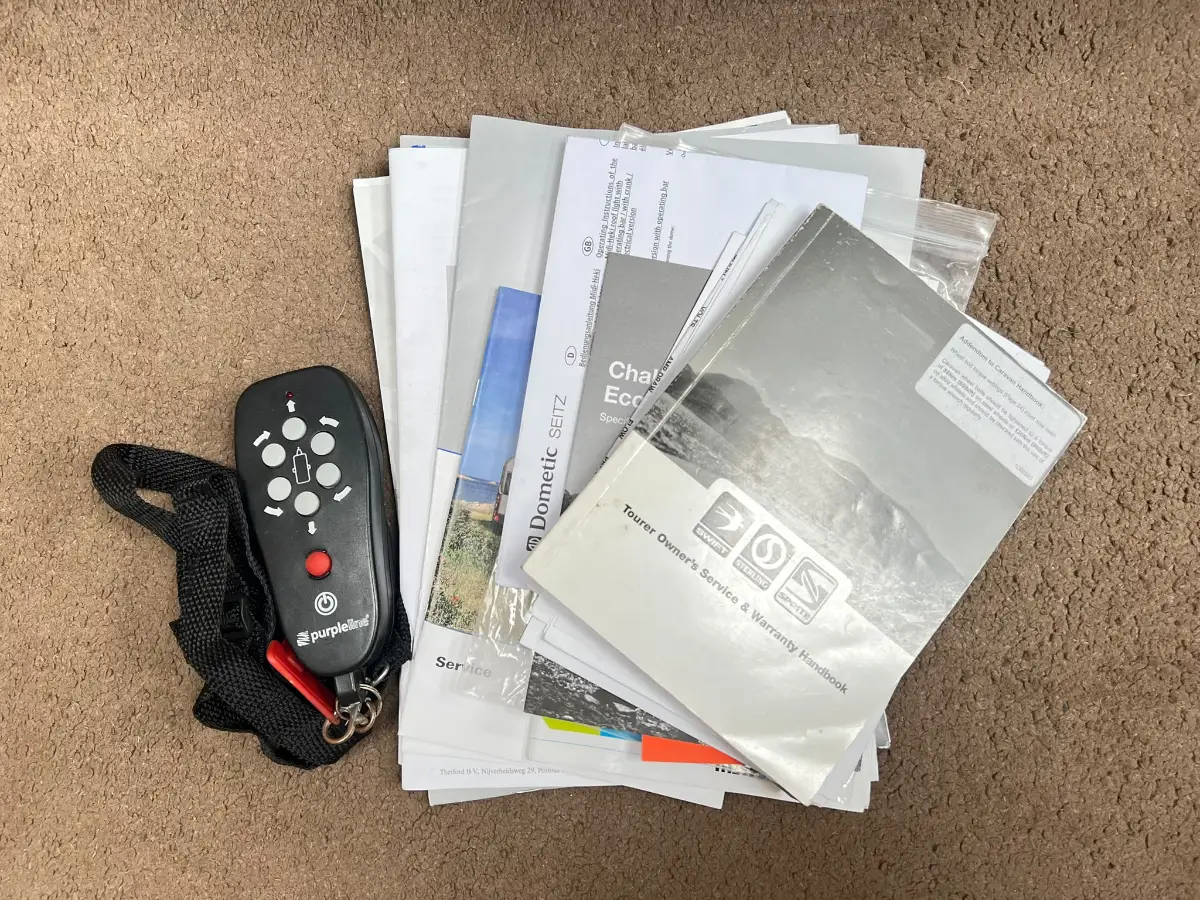
- Gather the paperwork. The CRiS document (the caravan’s logbook in all but name), service history, habitation records and receipts.
- Know your figures. Buyers ask about weight and routine maintenance dates.
A change of ownership needs both sides: you confirm the transfer, and the new owner should register themselves. Private sales also bring meeting risks, such as buyers who want to meet at a lay-by or service station; our guide on how to sell a caravan privately covers them. If finance is the sticking point, we buy caravans with outstanding finance and settle the lender from the sale.
Questions owners ask
Caravan CRiS checks: your questions
Do you need to be registered with CRiS to buy a check?
No, anyone can buy a CRiS check, whether or not they’re a registered keeper themselves. You can order the CRiS check caravan online buyers use at cris.co.uk, or ring the contact centre on 0203 282 1000, open Monday to Friday, 09.00 to 17.30. Have the caravan’s number in front of you before you start a caravan CRiS check online or by phone.
Will a CRiS check show who owns the caravan?
No, a CRiS check confirms that a keeper is on record but doesn’t name them, and being the registered keeper isn’t the same as owning the caravan. The keeper record is evidence, not legal title. That’s why a sensible buyer asks the seller to prove ownership with the registration document and photo ID that matches it. Owners carry that document for the same reason, especially when travelling abroad, where a recovery agent may need to show it at border control.
Do you have to tell CRiS when you sell a caravan?
It isn’t compulsory, but you should: telling CRiS about a sale or transfer carries no fee and stops the caravan staying on record against your name. Plenty of sellers forget. In the same Caravan and Motorhome Club survey, 65% of members had sold a caravan and 30% of those never told CRiS. Use the CRiS website or phone line to notify CRiS. The buyer then pays a one-off fee of £20.95 to register as keeper, which covers their whole time with the van.
Do caravans built before 1992 have a CRiS number?
No, a touring caravan built before 1992 won’t have a factory CRiS number, because the scheme started that year, but older vans can still be registered with CRiS on application. Newer vans go the other way: caravans from after 2016 carry a window sticker with a QR code that brings up the number and key details. So, how do you check if a caravan is CRiS registered? Look for the marks, ask for the document, and run a CRiS caravan registration check. An older van with neither should come with its original purchase paperwork.
Is there a free CRiS check or a GOV.UK caravan check?
No, there’s no official free CRiS caravan check and no caravan CRiS check GOV.UK service, because touring caravans aren’t registered with the DVLA. Cars and motorbikes carry a V5C and sit on government records, which is why free car lookups exist. A tourer has no such legal requirement, so a CRiS caravan check gov search leads nowhere official.
The best free CRiS caravan check is the one you do yourself: match the drawbar and glass codes to the document. Sites offering a caravan CRiS check free of charge haven’t, in our experience, shown the finance, theft and write-off data. If money is about to change hands, purchase a CRiS check and treat CRiS caravan check free offers with caution.
What’s your caravan worth?
Selling rather than buying? We match the CRiS number, the document and the chassis on every caravan we value at Bayley Street, Stalybridge, and we pay by bank transfer before the caravan leaves. Send us a few details and photos to value my caravan, and your offer is held for 30 days.
Get my free valuation Call 0161 464 0109