
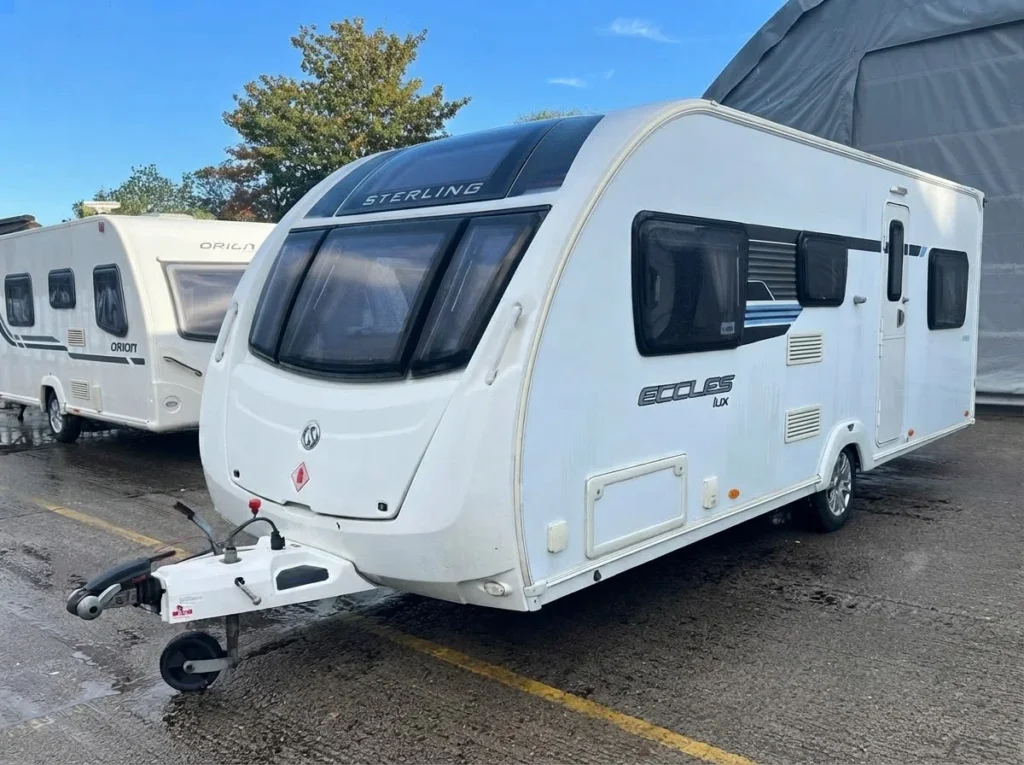
How to sell a caravan
Most owners only ask when to sell a caravan once it has sat unused for a season, and by then the calendar is already working for them or against them. We buy touring caravans on our yard at Bayley Street in Stalybridge right through the year, so we see both ends of it: the private rush from the beginning of the year through springtime, and the quiet weeks after the clocks go back.
This page sits under our guide on how to sell a caravan, and it answers one narrower question: when is the best time to sell a caravan, and does the answer change if you sell to a dealer? It’s written for owners who are no longer interested in touring, owners trading up, and anyone wondering whether to keep hold of their van until spring.
When is the best time to sell a caravan?
The best time to sell a caravan in the UK, if you’re selling privately, is January to April, when buyers are planning the season ahead: demand climbs from February, holds through the summer, then eases off in autumn and winter. If you sell to a dealer, the month matters far less, because dealers buy all year.
On our side of the trade, buyers look hardest from January to March. They come back energised after Christmas, with adventures ahead and new experiences to plan, and many are booking summer holidays before they’ve found the van to take on them. Most want it sorted before Easter and the May bank holidays. As the days grow longer, a viewing after work stops being a job done by torchlight, and the result is a surge in demand while plenty of sellers are still thinking about it.
Autumn runs the other way. From late autumn, cold and dark days put buyers off and many simply wait, so a caravan advertised in October usually takes longer to sell privately. That doesn’t make it the wrong time of year to sell. It makes it the wrong time to depend on a private buyer. Early spring is where most private sales land.
Why do buyers want a caravan sorted before Easter?
Buyers want a caravan sorted before Easter because the first long weekends of the touring season fall in spring, and nobody wants to spend them still scrolling through adverts.
After the New Year, holiday dreams turn into travelling plans. Parents map out the school holidays and family trips, and couples who’ve talked about touring for years finally take the plunge. The brighter weather helps as well: walking round a caravan on a driveway feels like the start of something in March, and like a chore in November.
That deadline works in your favour as a seller. A spring buyer has a date in mind, will drive further for the right van, and may ask for a tow test on a sunnier afternoon (go with them, and check their insurance first). The mild weather makes test drives with your caravan behind their car easier to agree to, and quicker to turn into a decision.
Spring light helps the advert too. Three-quarter shots of the outside, wide-angle photos of the lounge and close-ups of the motor mover all look better without a grey sky. If you’re weighing up the best time to sell a touring caravan with a family layout, list it before the Easter break rather than after it.
How much does the season change the price you’ll get?
The season changes a private sale far more than a dealer’s figure: in spring more buyers chase the same caravans and you can hold your price, while in the darker months you’ll usually accept less or wait longer for the right buyer.
In the peak period, a well-priced caravan gets more interest than you can show round in one weekend, and that competition can fuel the price. We’d call February to April the sweet spot. The warmer weather hasn’t arrived yet, but the urgency has. Faster sales and stronger offers go together, because buyers who’ve watched the best vans go quickly stop haggling.
Through the months of winter the balance flips. Fewer buyers means more time-wasters for every genuine enquiry, and each visit still has to happen at a secure location, usually your home or the storage site. Your asking price becomes the opening bid. Decide your minimum price before the first call, because winter buyers know they can negotiate.
Whatever the layout, the year usually plays out the same way. If you’re asking when is the best time to sell a touring caravan for the most money, here’s where each part of it leaves you:
| Months | Private buyers | If you sell privately | A sensible move |
|---|---|---|---|
| January to April | Most active; demand climbs from February | Your best chance of a full price and a quick sale | Deep-clean it and have it listed by February |
| May to August | Demand holds through the summer | Buyers want a van they can tour in straight away | List it with a recent service and Habitation Check |
| September to October | Demand eases | An October advert can sit until the new year | Compare a private sale with a dealer’s figure |
| November to December | The quietest months | Fewer viewings and softer offers | Sell to a dealer, or place it on sale or return before the new year |
Does the time of year matter if you sell to a dealer?
The time of year matters much less when you sell to a dealer, because dealers buy caravans in every month to have stock ready for the next season, so you can sell at any time of year and still get a firm figure.
A dealer pays a trade figure, below what a private buyer might pay in March. A private sale chases the best price; a dealer sale buys certainty. Through the seasonal dip, the prices offered by private buyers fall too, and lower offers plus a longer wait make a December private sale less attractive than it looks.
We keep buying through the winter because the forecourt has to be full by February, when the buyers who delay purchases all winter turn up at once. Autumn and winter suit a trade sale, or a caravan sale or return placement made before the new year, so your van is on show when spring buyers arrive. One valuation gives you both figures, and we’ll talk you through the terms when we value your caravan.
If your goals are speed and certainty, the fastest way out in winter is an outright sale, and our comparison of the best place to sell a caravan lays out all six routes. So when’s the best time to sell a caravan to a dealer? Whenever the figure works for you, not when the calendar says so.
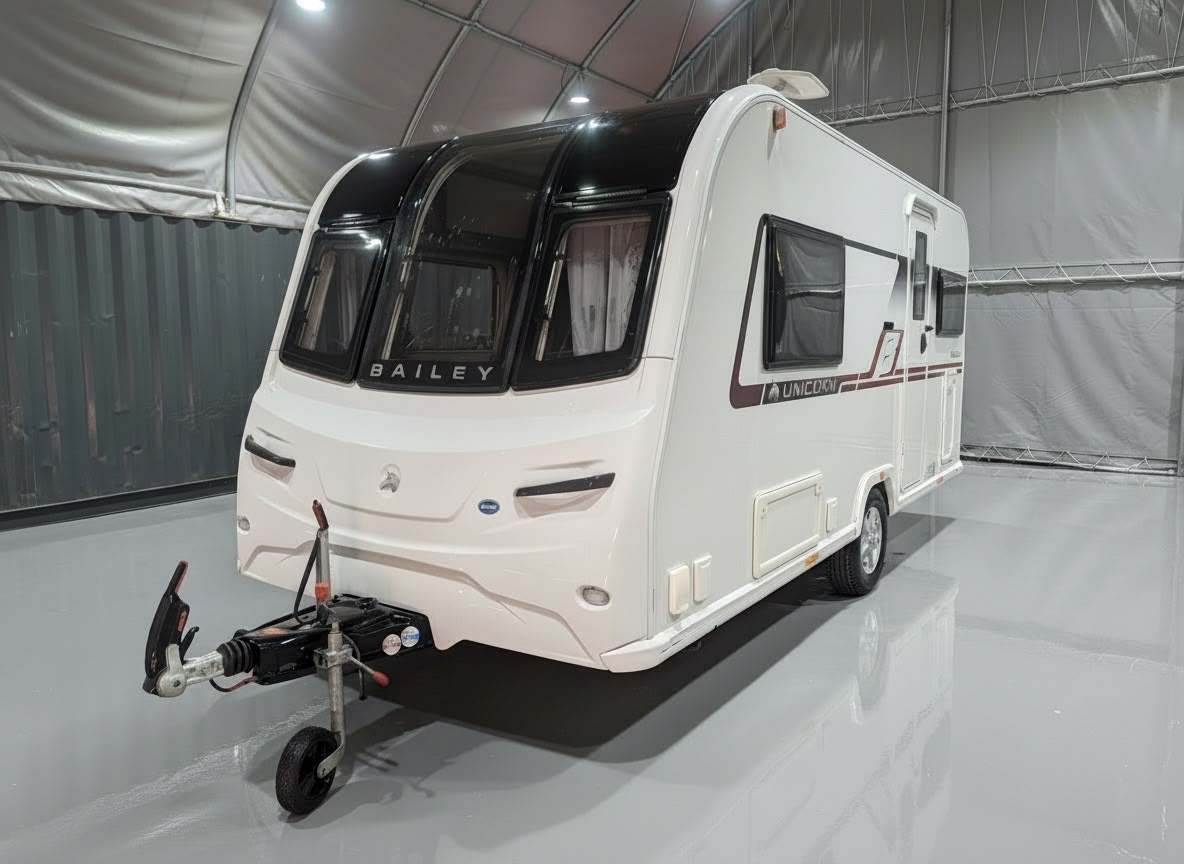
What does it cost to keep a caravan until spring?
Keeping a caravan until spring costs you another winter of storage and cover, a little more age, and the risk that months of standing still let damp in, so waiting only pays if the spring price beats those costs.
A caravan in the off-season isn’t free to keep. Unless you plan to hire out the van next summer, every month it stands costs money, so weigh the time you spend in it against the costs involved:
- Storage: the storage space is often paid in advance, so a winter in the compound means a winter’s fees for a van you won’t use.
- Damp: a caravan standing sealed is where water gets in unnoticed. Drain down, empty the toilet cassette, isolate the gas and electrics, and stand the cushions on edge.
- Tyres: the Caravan and Motorhome Club warns that tyres left standing through a winter lay-up can crack, and advises never using them beyond seven years old. A single axle van has two tyres ageing; a twin axle van has four.
- Model year: model years run ahead of the calendar and new ranges arrive in the autumn, so holding on from summer into autumn puts your van another model year behind.
When selling a caravan after a lay-up, expect questions about damp first. Our damp test takes meter readings round the window surrounds, locker seams and washroom corners: under 15% is generally acceptable, while 20% or more points to active water ingress. We still buy damp caravans, with the repair cost built into the offer, and our guide to damp caravan value explains what a high reading costs you.
Does your caravan’s layout matter more than the month?
A caravan’s layout and weight often matter more than the month you sell it in, because the right floorplan for the right tow car finds a buyer in any season, while an awkward one struggles even in spring.
On our yard, fixed island beds and end washrooms sell fastest. A ten-year-old island-bed van will outsell a five-year-old bunk-bed model in most months of the year, which tells you buyers shop by floorplan first and age second. Popular makes and models help, but only when the floorplan is right.
Weight decides who can buy. The MTPLM and payload set which tow cars suit a caravan, and many buyers work to the 85% towcar guideline. A van that an everyday family car can tow has more competition among buyers for it than one that needs a large 4×4.
Value goes down with age, but not evenly. Caravans lose value fastest in their first three years, then the curve flattens, and somewhere around twelve to fifteen years old, age and price stop being closely linked. It’s generally acknowledged in the trade that condition and a stamped service history count for more than the year on an older van.
When is a good time to sell a caravan for you, whatever the season?
A good time to sell a caravan is when you know you won’t use it next season and someone offers a figure you’re happy with, because a caravan that sits unused costs money and loses condition whatever the month.
Plenty of owners postpone it. The van stays on the driveway, the admin looks like a lost weekend, and the whole thing feels stressful, so another year slips by. Others have a firmer reason. They want to upgrade to something newer, they’re downsizing to a two-berth, or they’re swapping to a motorhome and need the money by a set date. If that’s you, the date matters more than the season.
Watch the dates that cost money. The next insurance renewal and the storage contract fall due at set points in the year, and selling before one of them saves the bill. If there’s outstanding finance, we settle the balance with the lender from the sale (you cover any shortfall), so it needn’t hold you up. For a van you’ve stopped using, the running costs, maintenance and slow decline of a caravan just sitting there add up faster than most owners expect.
Sell up while it’s in good order. The best time of year to sell a caravan is no help if the van has gone downhill waiting for it.
What to do when selling a caravan privately: a month-by-month plan
If you’re selling privately, the work starts in the quiet months: get a valuation and fix faults before Christmas, gather the history in January, and have the advert live by February so you’re ready when the buyers are.
Most of what to do when selling a caravan privately happens before the advert goes live. Leave it until March and you’ll spend the golden period fixing small faults instead of answering calls; start in November and you’ll be ready for the whole January to April window. We’d work through it like this:
- November and December: get a dealer valuation so you know where you stand, then fix small faults such as a sticking locker or leaks round a rooflight. Found by a buyer, they become expensive repairs knocked off the price.
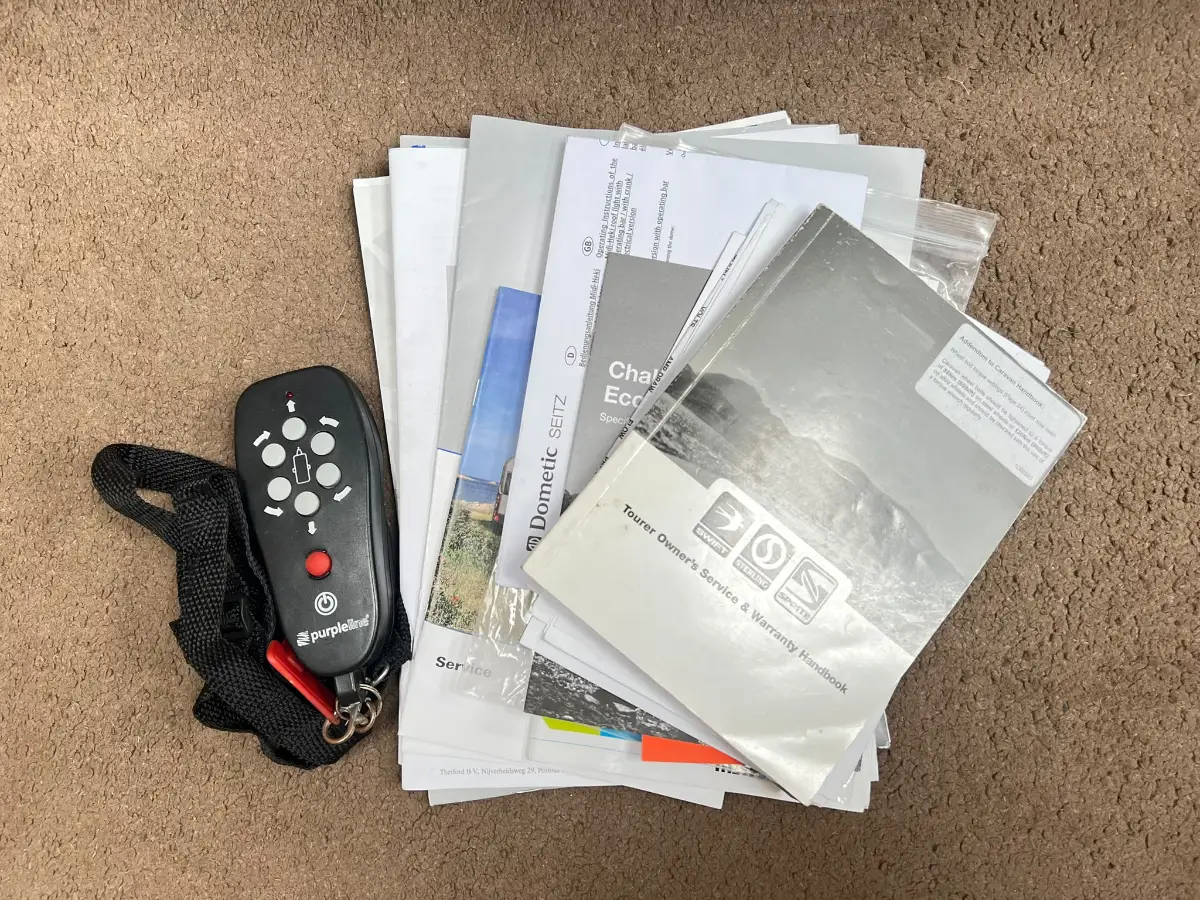
- January: put the CRiS document, stamped service book and receipts in one folder, and note the berth, length, weight, previous owners and extras for the advert.
- February: clean it and photograph it on a bright day. Autotrader allows up to 20 photos, so use them, and be honest about general wear.
- February to April: set a fair price against current adverts, hold viewings at home or the storage site, and hand over the keys only once the money shows in your own banking app.
None of this is daunting spread over a winter. The pitfalls come from rushing it in spring, when the timing is right but the van isn’t. And what to do when you sell a caravan at the end is simple: take payment, hand over the keys and documents, then tell CRiS about the sale, which is free.
Questions owners ask
Best time to sell a caravan: your questions
Is now a good time to sell a caravan, or should I wait until February?
If it’s autumn or winter, now is a good time to sell a caravan to a dealer or place it on sale or return, but a private sale usually finds more buyers if you list it from late January. So, is now a good time to sell a caravan? For a sale to a trade buyer, yes. If you’re asking when is a good time to sell a caravan privately, spring brings more buyers and leaves you under less pressure to negotiate, though you won’t catch the top of the market in December.
If you’re happy to wait around and the van is dry and in good order, the run between January and May will usually bring more interest. If a great deal turns up now, take it. Ask us to value my caravan today: the offer is held for 30 days, so you can compare it with what private sellers are asking.
What is the fastest way to sell a caravan?
The fastest way to sell a caravan is an outright sale to a dealer, because you get an estimate from photos, a firm figure after inspection and payment before collection, with no advert or viewings to arrange. With us, an offer usually comes the same day, the inspection is arranged within 7 days of your enquiry, and most sales complete within a few days. We pay by bank transfer before the caravan leaves, and collection is free within 150 miles of Stalybridge.
A sale to a dealership means a trade price, and on a van worth several thousand pounds the gap to a private sale is real money, so decide what speed, simplicity and convenience are worth to you. Online services that price a van unseen are quick too, but their figure only firms up after an inspection. Have the CRiS documents, handbooks, receipts, details of repairs and proof of ownership ready, hand over only against cleared funds, and a quick sale really is quick.
Are caravan prices dropping, or will spring bring a better price?
Your caravan loses a little value every year whatever the market does, so waiting for spring only helps if stronger private demand outweighs a few more months of age. Depreciation is steepest in the first three years and then flattens, as our guide to the caravan depreciation rate shows with real forecourt prices. Season to season, the value fluctuates less than owners expect; what changes is how many buyers are looking.
Current trends, favoured styles, demand for that model and the type of caravan matter more, and a fixed bed or end washroom layout holds its appeal. Compare yours with similar models for sale now, and against the site fees you’d pay in the meantime. Dealers price for the upcoming seasons and buy all year round, so don’t let a quiet month push you into selling for pennies: get a trade figure first so you have something to measure private offers against.
Do caravans still sell in autumn and winter?
Yes, caravans still sell in autumn and winter: private sales slow down because fewer people are looking, but dealers keep buying because they need stock ready for spring. What looks like sales dropping is mostly buyer psychology, and the renewed excitement returns after Christmas, bringing private caravan sales back with it. Private caravan prices soften in the quiet months, but it isn’t prices dropping across the board so much as fewer buyers about.
Dealers replenish stock through the winter, so a trade sale stays the quickest route whatever the month. If you’d rather get rid of the van before another round of storage fees, the benefit of waiting is small. So when is the best time of year to sell a caravan? For a private sale, January to April. For everyone else, the best time to sell a caravan is when you’ve decided you’re done with it.
What’s your caravan worth?
Thinking of selling this winter or next spring? Send us the make, model, year and a few photos for a free caravan valuation. One valuation gives you a figure to buy it outright and a sale-or-return estimate, your offer is held for 30 days, and we pay by bank transfer before the caravan leaves.
Get my free valuation Call 0161 464 0109